
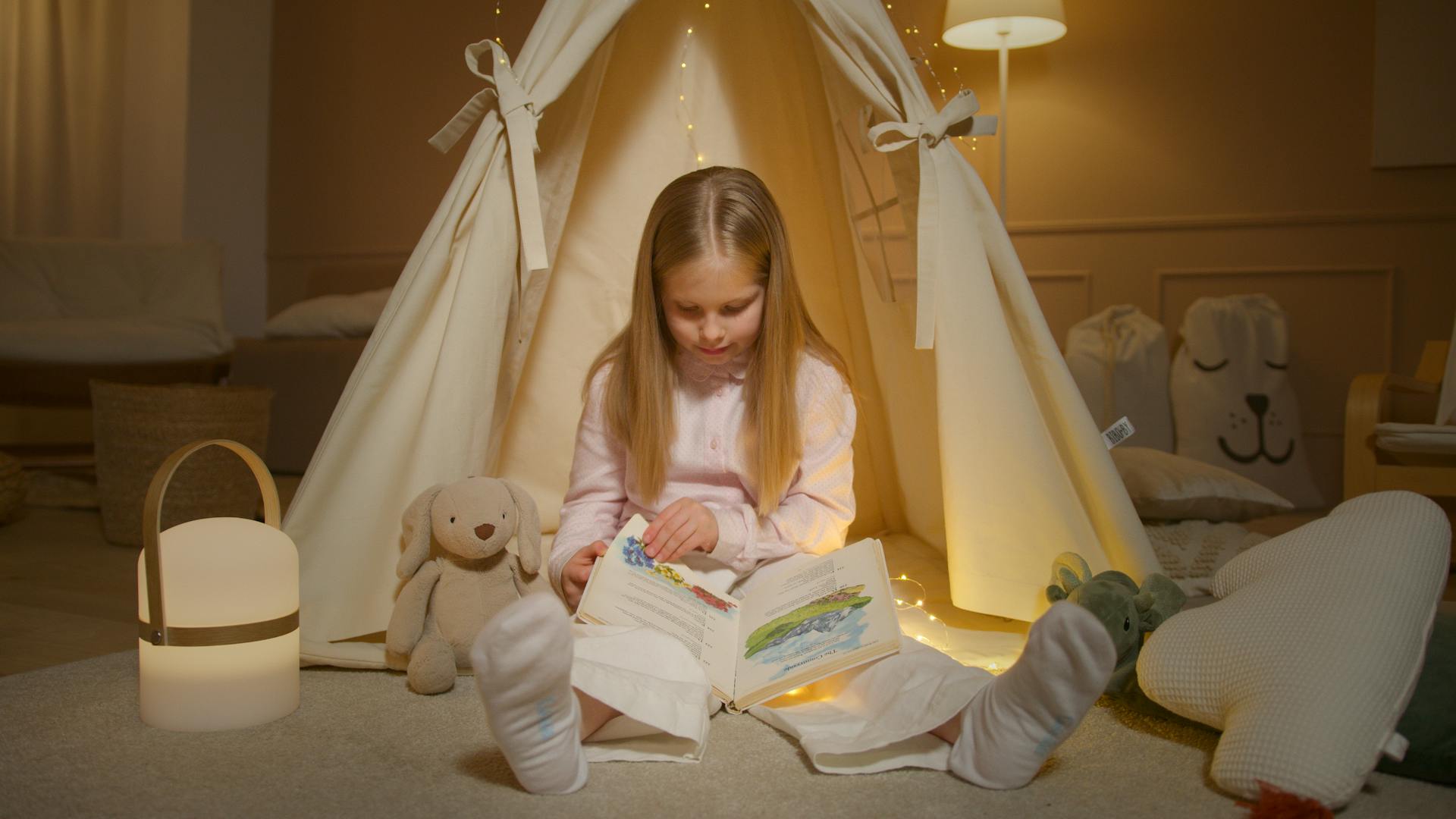
Children spend more time in their bedrooms than almost anywhere else. They sleep there, play there, read there. Their bodies — still developing, still sensitive — are in close contact with the furniture, textiles, and finishes in that room for the majority of their early years. So when we talk about what materials to choose, we’re not talking about aesthetics. We’re talking about health.
The Problem with Cheap Flat-Pack Furniture
Most budget children’s furniture is made from MDF (medium-density fibreboard) or particleboard — wood waste bound together with synthetic resins, most commonly urea-formaldehyde. These boards off-gas volatile organic compounds (VOCs), particularly formaldehyde, which has been classified as a known human carcinogen by the World Health Organisation.
Off-gassing is highest in the first months after manufacture, which is often exactly when you’re setting up a new nursery. The enclosed, poorly-ventilated space of a child’s bedroom compounds the issue. This doesn’t mean all flat-pack furniture is unsafe — but it does mean the material composition matters enormously, and it’s worth asking the question before you buy.
Children breathe more air relative to their body weight than adults, absorb more of what’s in that air, and have less developed detoxification systems to handle it.
— World Health Organisation, Indoor Air Quality Guidelines
What to Look for in Children’s Furniture
When evaluating a piece of children’s furniture, these are the material certifications worth checking:
- FSC-Certified Wood — Confirms the timber was sourced from responsibly managed forests. This addresses environmental sustainability, not necessarily chemical content, but it’s a strong indicator of an ethical supply chain overall.
- E0 or E1 Formaldehyde Emission Standards — European classifications for formaldehyde emissions from wood products. E0 is near-zero; E1 is the maximum allowed in the EU and Australia. Avoid anything unrated.
- Oeko-Tex Standard 100 — For textiles (mattresses, bedding, soft furnishings). Certifies the product has been tested for harmful substances and is safe for skin contact. Look for “Tested for Harmful Substances.”
- GOTS (Global Organic Textile Standard) — The gold standard for organic fibres. Covers the entire supply chain from farming to finished product.
- GREENGUARD Gold — Third-party certification for low chemical emissions, specifically calibrated for children’s environments and schools.
Natural vs. Synthetic: What’s Actually the Difference?
Solid wood, wool, linen, organic cotton, and natural rubber are not just aesthetically pleasing — they behave differently in a child’s environment in meaningful ways.
Natural Materials
- Breathe and regulate humidity
- Don’t off-gas synthetic chemicals
- Durable — develop a patina over time rather than peeling or chipping
- Biodegradable at end of life
- Tactilely rich — supports sensory development
Synthetic Materials
- May emit VOCs, particularly when new
- Plastic coatings and laminates can crack, creating sharp edges
- Often not repairable — full replacement when damaged
- May contain phthalates, BPA, flame retardants
- Contribute to landfill at end of life
The Paints and Finishes Question
Even a well-made solid wood piece can be compromised by the finish applied to it. Children mouth, chew, lick, and press their faces against furniture — especially in the early years. The finish matters.
Look for water-based, low-VOC paints and natural oils or waxes (like beeswax or linseed oil) as finishes. Avoid high-gloss lacquers and solvent-based paints, which can take months to fully cure and continue off-gassing long after they appear dry.
Our Commitment at Kids & Co.
Every piece in our range is made from FSC-certified timber, finished with non-toxic, water-based coatings, and tested to meet or exceed Australian and EU safety standards. We’re not just making things that look beautiful — we’re making things you can feel genuinely good about bringing into your home.
Because children deserve a space that’s as safe as it is beautiful. And you deserve to know exactly what you’re buying.


 Elementor
